



Written by Cosmo Robertson Charlton, Senior Communications and Marketing Officer
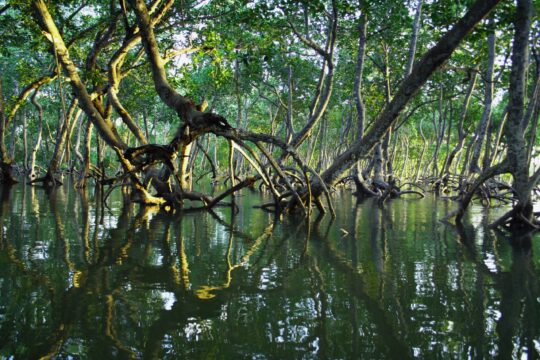
In the northernmost tip of the Bay of Bengal, a twisting landscape sprawls in a convoluted patchwork of islands and channels like Medusa’s iconic serpentine hair. The very ground feels as though it is moving – and in a way, it is. Twice daily, tidal currents completely change the appearance of the Sundarbans, making it all too easy to lose your way. Perhaps it is unsurprising this mangrove forest inspires such myth, intrigue and secrecy.
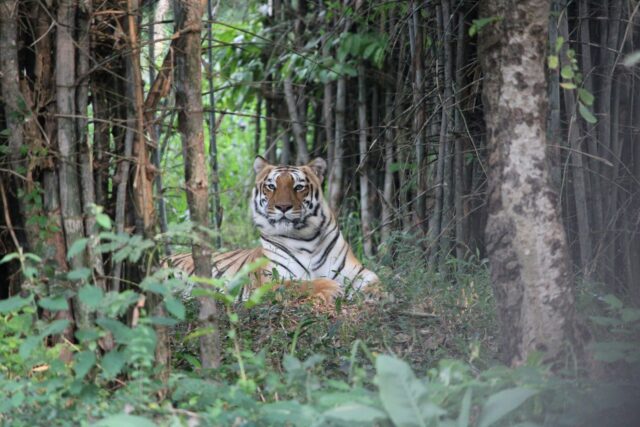
But there are many species who have adapted to this unique environment, capitalizing on the rich diversity of habitats and resources; snakes, deer, crabs, crocodiles, humans – and the enigmatic Bengal tiger, both feared and revered. These big cats have become highly adapted to their aquatic environment, earning them the prestigious title of ‘swamp tigers’. They swim between islands, hunting prey on land and water alike.
The Sundarbans is home to one of the largest populations of Bengal tigers in the world, although this has been reduced significantly due to poaching, agriculture and logging. When prey is scarce, they venture into villages to find easier meals, such as goats or pigs, causing conflict between communities and this deadly predator. But when the people of the Sundarbans enter the forest, the tigers meet them with an icy indifference – in the sense that they will treat them like any other prey. More people are killed by tigers here than anywhere else in the world.
But for the 4.5 million humans living in this mangrove forest, tigers aren’t the only challenge they face on a daily basis. One crisis, far more existential and oppressive, has infiltrated every aspect of life.
Most people in the Sundarbans have traditionally relied on the forest for their survival. In Koyra, Bangladesh, on the northern edge of the Sundarbans, this is no different. Hunting, fishing, farming and logging have all been important ways of generating an income and providing for their family. The ebb and flow of life was predictable.
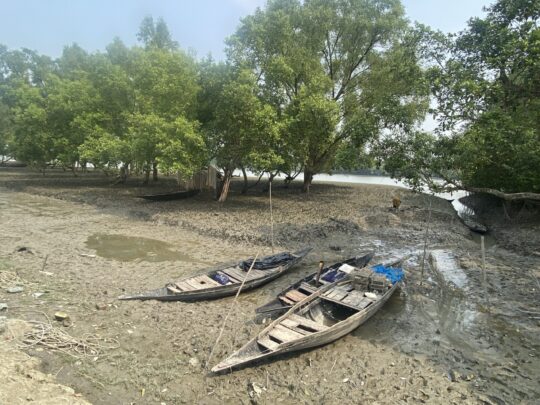
But just as this beautiful environment provides, it also cruelly takes away. Every year, the Sundarbans are struck by devastating cyclones, tropical storms and floods. In 2020, Cyclone Amphan damaged large parts of the forest, displaced millions and took lives.
And now, our climate crisis, steadily deepening across the world, is wreaking havoc for communities in the Sundarbans. Climate-related disasters are becoming less predictable, harder to prepare for, and more intense. Farms are flooded, villages are battered, people are displaced. Salty seawater is also replacing freshwater, disproportionately affecting women and girls’ menstrual hygiene due to lack of freshwater and education. Once dependable livelihoods are being stripped away, and for people living on the edge, this is an existential crisis. People can no longer rely on the Sundarbans like they used to.
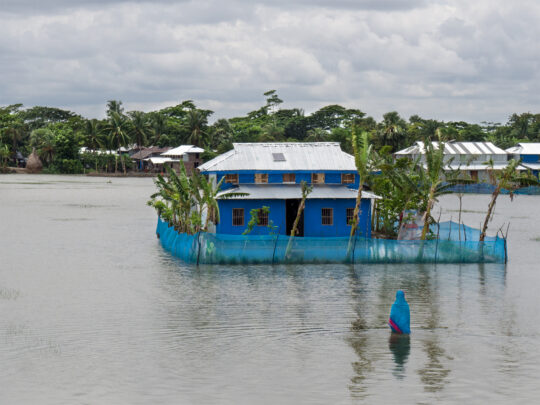
Since 2023, World Jewish Relief and its partner in Bangladesh, Prottyashi, have been working alongside the community to help them cope with the rapidly changing climate. The program follows an integrated approach – from hygiene training and early warning systems for cyclones, to toolkits for building climate-resilient homes, awareness sessions on protecting the Sundarbans, and new cooking stoves which reduce reliance on firewood and lower the risk of tiger encounters.
Murshida, 38, lives in Koyra, and cares for four sons, including one living with a disability. Illness frequently gripped her home, and the strain of relying on unsafe water and unsustainable wood collection was immense. Thanks to our supporters’ generosity, Murshida is now able to protect her family’s health alongside the forest they depend on.
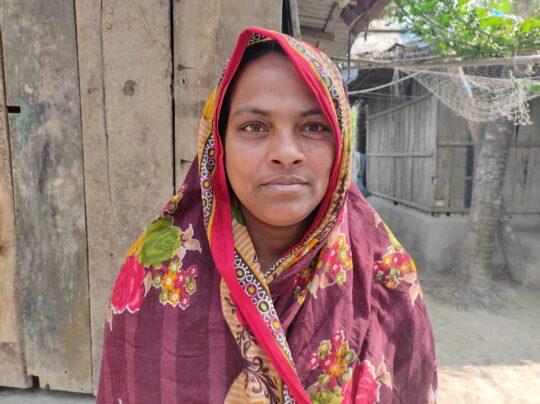
“We did not realize how unsafe water and poor hygiene were affecting our children’s health. Illness was common in our household, and we thought it was just part of life.
I also realized that protecting the Sundarbans is directly linked to our future. This project has given me knowledge, confidence, and hope. I am now sharing what I learned with my neighbors so that our whole community can live healthier and protect nature for the next generation.”
Critically, people also need to earn an income and provide for themselves; it is the highest form of Tzedakah and one of our core Jewish values. World Jewish Relief is committed to building livelihoods that will reduce dependency, and increase the autonomy of those we assist across the world.
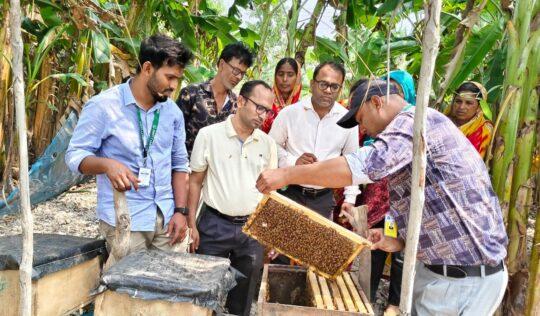
Thanks to our supporters, we are helping 200 families, especially women and marginalized groups, build safer, more sustainable livelihoods through beekeeping. We are providing training, equipment, business advice and links to markets. As families begin producing and selling honey, they are earning an income while reducing pressure on the mangrove forest.
The challenges besieging communities in the Sundarbans are vast and wide ranging; there are no paper tigers here. And as we know, the impacts of the climate crisis will only worsen as global economies consume more and struggle to get a grip on their release of greenhouse gases. No one will be untouched, and life will be especially difficult for millions of people around the world who are already vulnerable. But with your support, World Jewish Relief will continue to provide a lifeline, build resilience, and help those in crisis to deal with the coming months, years, and decades.